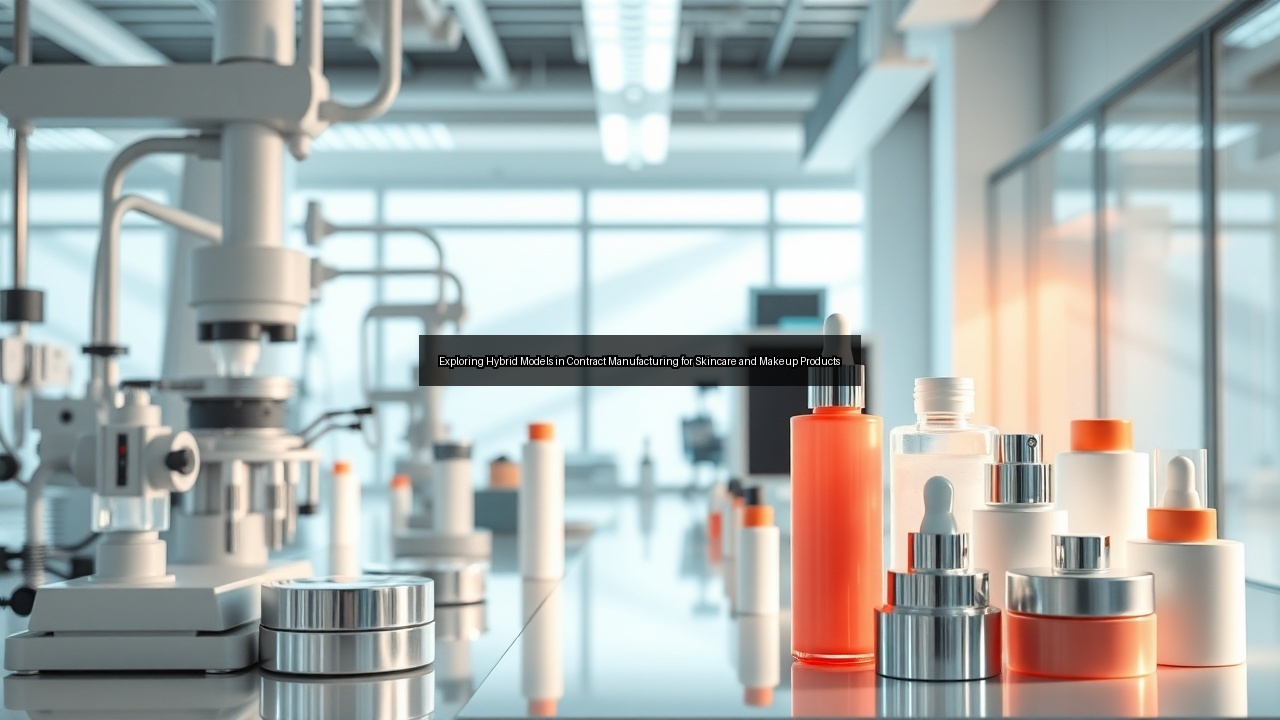
Exploring Hybrid Models in Contract Manufacturing for Skincare and Makeup Products
Understanding Hybrid Models in Cosmetic Contract Manufacturing
Defining Hybrid Models in Manufacturing
Hybrid models blend in-house capabilities with outsourced expertise to create flexible production systems for contract manufacturing cosmetics. Brands retain control over core formulas while partners handle specialized runs of skincare and makeup. This approach merges custom formulation with scalable assembly, allowing quick shifts between small test batches and larger orders. Companies gain access to advanced equipment without full capital investment, and they maintain oversight on quality at every stage. The structure supports rapid iteration on cosmetic products that meet shifting consumer demands for clean ingredients and innovative textures. By integrating these elements, manufacturers reduce bottlenecks and deliver consistent results across diverse product lines.
The Evolution of Skincare and Makeup Production
Skincare and makeup production once relied on fully internal facilities or rigid third-party contracts. Over time, contract manufacturing cosmetics evolved to incorporate hybrid frameworks that combine proprietary research labs with external automation lines. Early cosmetic manufacturers focused on mass output, yet brands now require agility for limited-edition make-up launches and seasonal skincare formulas. Hybrid setups emerged as regulations tightened and ingredient sourcing grew complex. Today, these models allow seamless transitions between artisanal cosmeceutical development and high-volume filling. The shift reflects broader industry needs for traceability and speed, enabling companies to launch fresh cosmetic products faster while preserving brand identity.
Benefits of Hybrid Manufacturing in Cosmetics
Hybrid manufacturing delivers cost efficiency and speed to market for contract manufacturing cosmetics. Brands access specialized equipment for precise emulsion of skincare products without owning every machine. They also tap global ingredient networks that ensure conformity and traceability from farm to formula. This setup lowers inventory risks by aligning production quantities with real-time demand forecasts. Makeup lines benefit from faster color-matching cycles, while skincare ranges gain stability testing support. Overall, companies achieve higher customization, reduced waste, and stronger compliance with fda standards, turning contract manufacturing services into a strategic advantage rather than a simple outsourcing tactic.
Key Components of Hybrid Models
Ingredient Sourcing and Research
Effective ingredient sourcing forms the backbone of hybrid models in contract manufacturing cosmetics. Manufacturers conduct targeted research to identify stable, high-performance raw materials for both skincare and makeup applications. They maintain approved supplier lists that guarantee traceability and conformity across every batch. Research teams evaluate new botanical extracts or peptide complexes for cosmeceutical claims while verifying compatibility with existing automation processes. This dual focus lets brands introduce novel cosmetic products quickly. Hybrid partners also monitor global supply fluctuations, adjusting procurement strategies to protect margins and maintain consistent quality in finished skincare products and makeup formulations.
The Role of Automation in Production
Automation drives precision and repeatability within hybrid contract manufacturing cosmetics operations. Robotic filling lines handle high-viscosity skincare creams and delicate makeup pigments with minimal human contact. Integrated sensors track temperature, mixing speeds, and fill volumes to ensure conformity at scale. Brands retain manual oversight for small-batch artisanal runs, then transition seamlessly to automated lines as demand grows. This flexibility supports both limited-edition make-up collections and steady skincare replenishment orders. Automation also enhances traceability by logging every production step, helping manufacturers meet fda documentation requirements without slowing throughput.
Logistics and Supply Chain Management
Logistics coordination keeps hybrid models efficient for contract manufacturing cosmetics. Partners synchronize ingredient deliveries with production schedules to minimize holding costs. Real-time tracking systems monitor shipments of specialty packaging components and finished cosmetic products across regions. Supply chain teams balance just-in-time sourcing with safety stock for high-demand skincare items. They also manage reverse logistics for returns and quality audits. Strong logistics integration allows brands to scale quantities rapidly during peak seasons while preserving product integrity from manufacture through final delivery to retailers or direct consumers.
Regulatory Considerations in Cosmetic Manufacturing
Navigating FDA Regulations for Skincare and Makeup
FDA regulations shape every stage of hybrid contract manufacturing cosmetics. Manufacturers classify products correctly, distinguishing cosmetics from drugs when skincare claims border on therapeutic. They prepare ingredient statements, warning labels, and facility registrations that satisfy inspection standards. Hybrid partners maintain separate documentation streams for in-house and outsourced steps, ensuring full traceability during audits. Brands that understand these requirements avoid costly reformulations. Regular training on updated fda guidance keeps teams aligned, supporting smooth market entry for new makeup shades and skincare treatments.
Ensuring Conformity and Traceability in Ingredients
Conformity and traceability protect consumers and brands in contract manufacturing cosmetics. Each ingredient lot receives unique identifiers that follow the material from supplier through final blending. Hybrid systems record temperature excursions, testing results, and handling details in centralized databases. This level of detail supports rapid recalls if needed and demonstrates compliance during fda reviews. Skincare products containing active botanicals require extra verification of purity and stability. Makeup pigments undergo heavy-metal screening to meet strict limits. Thorough documentation builds trust and reduces regulatory friction across all cosmetic products.
Packaging Design Compliance and Best Practices
Packaging design must satisfy both functional and regulatory demands in hybrid contract manufacturing cosmetics. Containers protect light-sensitive skincare formulas and prevent leakage in makeup compacts. Designers select materials that resist migration of ingredients while remaining recyclable. Labels include required fda elements such as net quantity, manufacturer details, and ingredient declarations in correct order. Hybrid teams test packaging under real shipping conditions to confirm durability. They also optimize artwork for small-batch runs and high-volume production, maintaining visual consistency that reinforces brand identity across every cosmetic product.
Cost and Quantity Factors in Hybrid Manufacturing
Understanding Cost Structures in Contract Manufacturing
Cost structures in contract manufacturing cosmetics reflect a mix of fixed and variable expenses. Hybrid models allocate capital toward specialized research and automation while spreading logistics costs across multiple clients. Brands pay setup fees for custom molds or formula validation, then benefit from lower per-unit pricing at higher quantities. Ingredient volatility directly affects final costs, so partners build flexible contracts that adjust for market shifts. Transparent breakdowns help companies forecast expenses for both skincare staples and limited-edition makeup releases, improving overall financial planning.
Scaling Production: Small Batches vs. Mass Production
Hybrid setups excel when scaling between small batches and mass production for contract manufacturing cosmetics. Brands launch skincare products in 500-unit test runs to gauge market response before committing to 50,000-unit orders. Automation lines activate once formulas stabilize, reducing labor costs per piece. Makeup collections follow similar patterns, with color trials produced manually and approved shades shifted to high-speed filling. This graduated approach minimizes inventory risk and capital tie-up. Manufacturers coordinate equipment changeovers efficiently, preserving margins whether quantities stay modest or expand rapidly.
Evaluating the Economic Impact on Cosmetic Brands
Hybrid contract manufacturing cosmetics influences brand economics through improved cash flow and faster time-to-market. Companies avoid heavy equipment investments yet retain formulation control. Reduced waste from precise quantity planning improves profitability on both mass-market skincare and premium cosmeceuticals. Brands also gain negotiating leverage with multiple partners, securing better rates on ingredients and packaging. The model supports seasonal spikes without permanent overhead, allowing marketing teams to focus resources on promotion rather than production logistics. Long-term, these efficiencies strengthen competitive positioning in crowded cosmetic categories.
Choosing the Right Contract Manufacturing Partner
Identifying Key Qualities in a Manufacturer
Strong contract manufacturing partners demonstrate technical expertise, regulatory knowledge, and transparent communication. They maintain clean facilities audited for fda compliance and offer robust traceability systems for every ingredient. Look for teams experienced with both skincare emulsions and makeup powder pressing. Flexibility in minimum order quantities and willingness to scale hybrid production models matter equally. Brands should verify references and request sample runs of similar cosmetic products to assess consistency and responsiveness before signing agreements.
The Importance of Collaboration in Product Development
Close collaboration accelerates successful outcomes in contract manufacturing cosmetics. Joint teams refine formulas, select compatible packaging, and align on testing protocols from the earliest stages. Regular meetings ensure that brand vision for texture, scent, and performance translates accurately into finished skincare and makeup items. Partners contribute practical insights on automation constraints and cost-saving substitutions without compromising quality. This shared development process reduces revision cycles and produces cosmetic products that meet consumer expectations on first launch.
Evaluating Manufacturer Capabilities in Cosmeceuticals
Capability assessment for cosmeceuticals requires review of research facilities, stability chambers, and clinical testing partnerships. The ideal contract manufacturer supports advanced claims for skincare products with documented evidence. They also handle complex makeup formats such as long-wear foundations and multi-use palettes. Hybrid experience shows in their ability to switch between pilot and commercial scales without quality drift. Brands that thoroughly evaluate these capabilities secure reliable partners capable of growing alongside evolving product portfolios and market demands.
See Also
- The Role of Automation in Modern Cosmetic Manufacturing Solutions
- Cost-Effective Strategies for Scaling Your Cosmetic Product Line with Contract Manufacturing
- Navigating FDA Regulations in Cosmetic Contract Manufacturing
- The Impact of Packaging Design on Success in Contract Manufacturing Cosmetics
- Choosing the Right Contract Manufacturing Partner for Your Cosmetic Brand