Dehumidifiers as Key Players in Hotel Energy Management
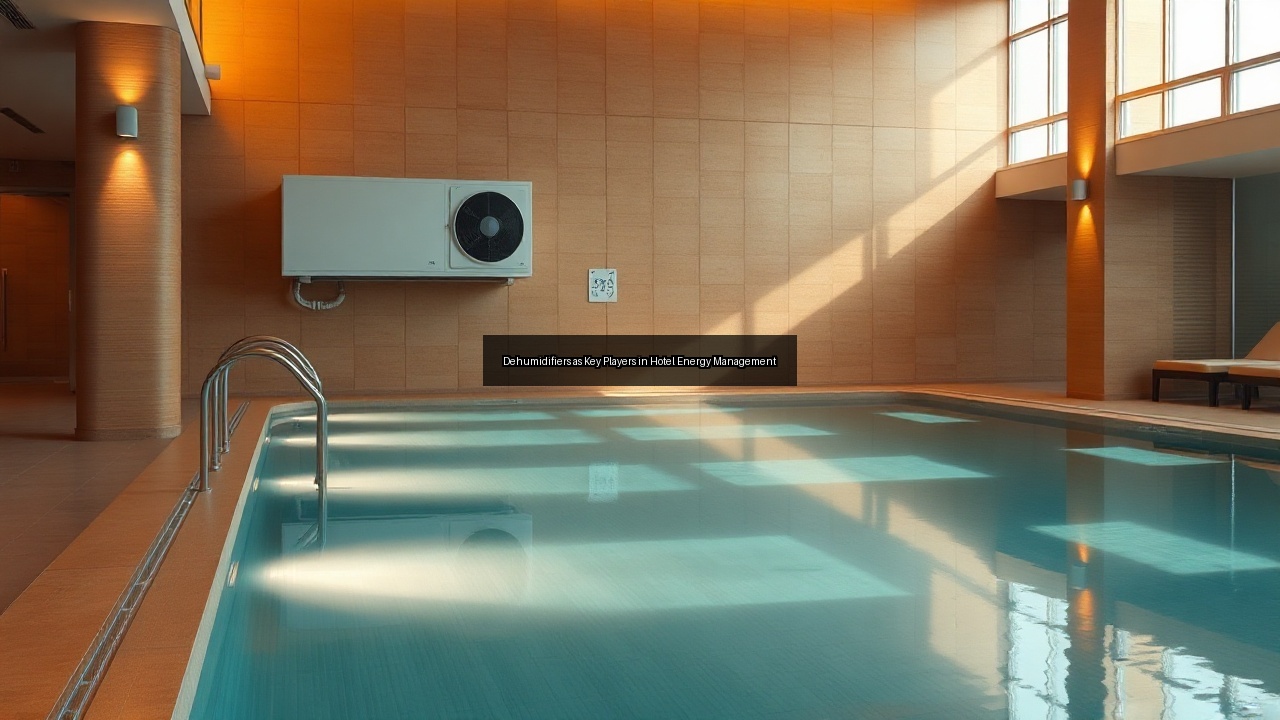
The Importance of Dehumidification in Hotel Environments
Understanding Humidity Control in Indoor Pools
Indoor swimming pools, or natatoriums, present unique challenges in humidity control. High humidity levels can lead to condensation, which damages building materials, promotes mold growth, and creates an uncomfortable environment for guests. Effective humidity control ensures that the air remains comfortable while protecting the structural integrity of the hotel. A hotel swimming pool dehumidifier plays a vital role in maintaining optimal humidity levels, which ideally should be around 50% relative humidity. By managing moisture levels, these systems enhance guest comfort and prolong the life of the facility. Additionally, maintaining proper humidity levels can significantly improve air quality, as excessive moisture can lead to the proliferation of allergens and irritants, affecting guests with respiratory conditions.
The Role of Dehumidification Units in Climate Control
Dehumidification units serve as essential components in a hotel's climate control strategy. These units actively remove excess dehumidified moisture from the air, ensuring that indoor pools remain inviting and pleasant. The integration of a hotel pool dehumidification unit with dehumidifer the HVAC system creates a balanced environment. This synergy maximizes energy efficiency while providing consistent climate control throughout the hotel. Guests enjoy a comfortable experience whether they are in their rooms or lounging by the pool. A well-designed dehumidification system also reduces the risk of respiratory issues and allergies, contributing to an overall healthier environment. Furthermore, by maintaining a consistent humidity level, hotels can prevent the discomfort associated with high humidity, such as clammy skin and difficulty breathing, enhancing the overall guest experience.
Energy Efficiency and Cost Savings with Dehumidifiers
Investing in a hotel swimming pool dehumidifier can lead to significant energy savings. These units not only regulate humidity but also reduce the workload on the HVAC system. When dehumidifiers operate efficiently, they lower energy consumption, translating to reduced utility bills. Hotels can leverage energy recovery solutions to capture and reuse energy from the dehumidification process, further enhancing their sustainability efforts. Incorporating modern air dehumidifiers that meet ASHRAE standards ensures that hotels maintain a cost-effective and environmentally friendly approach to humidity control while maximizing guest satisfaction. In addition, many dehumidifiers include advanced features such as variable speed fans and intelligent controls, which allow them to adapt their operation based on real-time environmental conditions, further improving their efficiency and effectiveness.
Designing Effective Dehumidification Systems for Hotel Swimming Pools
Key Design Considerations for Indoor Swimming Pools
Designing an effective dehumidification system for indoor swimming pools involves several critical considerations. First, the size of the pool and its expected occupancy dictate the capacity of the dehumidification unit. Larger pools or those with high visitor traffic require more robust systems to handle increased moisture levels. Additionally, the location of the pool within the hotel can impact airflow patterns and humidity levels. Proper placement of the dehumidification units ensures efficient air circulation and moisture removal. Hotels must also consider the aesthetic elements, ensuring that dehumidification systems blend seamlessly with the overall design of the facility, creating an inviting atmosphere for guests. Moreover, the choice of building materials and interior finishes can influence humidity levels; thus, selecting moisture-resistant materials can further enhance the effectiveness of the dehumidification system.
Integrating HVAC Systems with Dehumidification Units
Successful integration of HVAC systems with dehumidification units enhances overall climate control in hotel environments. A coordinated approach ensures that both systems work together to maintain optimal humidity and temperature levels. Properly designed ductwork plays a crucial role in this integration, allowing for efficient airflow between the HVAC system and dehumidification units. Smart controls can further optimize performance by adjusting settings based on occupancy and environmental conditions. This intelligent integration not only improves guest comfort but also minimizes energy costs, creating a more sustainable hotel operation. Additionally, incorporating advanced monitoring systems can provide real-time data on humidity and temperature, allowing for proactive adjustments and maintenance, which can prevent costly repairs and extend the lifespan of both the HVAC and dehumidification systems.
ASHRAE Standards and Recommendations for Humidity Control
Adhering to ASHRAE (American Society of Heating, Refrigerating and Air-Conditioning Engineers) standards is vital for effective humidity control in indoor pools. ASHRAE provides guidelines that recommend maintaining specific humidity levels to promote health and comfort. These recommendations inform the design and installation of hotel swimming pool dehumidifiers, ensuring they meet industry standards. Compliance with ASHRAE standards also positions hotels as responsible operators committed to providing safe and comfortable environments for guests. By following these guidelines, hotels can effectively reduce energy consumption while enhancing guest experiences in their indoor swimming pools. Furthermore, regular audits and assessments against ASHRAE standards can help hotels identify areas for improvement, ensuring ongoing compliance and optimization of their systems.
The Impact of Dehumidifiers on Energy Management in Hotels
Energy Recovery Solutions for Dehumidification
Energy recovery solutions play a pivotal role in optimizing the efficiency of dehumidification systems in hotels. These solutions capture waste energy generated during the dehumidification process and repurpose it for heating or cooling other areas of the hotel. For example, the heat extracted from the dehumidification unit can warm the pool water or preheat incoming fresh air. This innovative approach not only minimizes energy waste but also reduces overall operational costs. By investing in energy recovery systems, hotels enhance their sustainability profile while ensuring that guests experience a comfortable and enjoyable stay. Additionally, integrating these systems with renewable energy sources, such as solar panels, can further reduce a hotel’s carbon footprint and operational expenses.
Choosing the Right Dehumidifier for Hotel Pools
Selecting the appropriate hotel pool dehumidifier involves analyzing various factors, including pool size, local climate, and guest usage patterns. Different models offer varying capacities, and selecting a unit that aligns with the specific needs of the indoor pool is crucial. Hotels should look for energy-efficient units that meet ASHRAE standards and provide reliable performance. Consulting with HVAC professionals can help hotel managers make informed decisions about the best dehumidification solutions for their facilities. A well-chosen dehumidifier not only enhances guest comfort but also contributes to the hotel’s energy management strategy. Additionally, considering features such as noise levels, maintenance requirements, and warranty options can further aid in selecting the most suitable unit for long-term operation.
Refrigerants and Their Role in Efficient Dehumidification
The choice of refrigerants used in dehumidification units significantly impacts energy efficiency and environmental sustainability. Modern dehumidifiers often utilize more eco-friendly refrigerants that reduce greenhouse gas emissions while maintaining efficiency. Selecting units with advanced refrigerant technologies can further enhance the dehumidification process, leading to lower energy consumption and operational costs. Hotels must stay informed about the latest developments in refrigerant technology to ensure their dehumidification systems operate efficiently. By prioritizing efficient refrigerant use, hotels can contribute to a greener hospitality industry while improving their bottom line. Moreover, training maintenance staff on the proper handling and management of refrigerants is crucial for compliance with environmental regulations and for ensuring the longevity of the dehumidification systems.
See Also
- Enhancing Indoor Pool Aesthetics with Proper Dehumidification
- The Benefits of Energy Recovery in Hotel Pool Dehumidifiers
- Transforming Hotel Experiences with Advanced Swimming Pool Dehumidifiers
- Energy Efficiency and Climate Control in Hotel Swimming Pools
- Maximizing Energy Efficiency in Hotel Swimming Pools with Dehumidifiers